The creation of a truly successful product is a complex journey, a blend of insightful market analysis, innovative design, and effective marketing. It requires understanding not just what consumers want, but anticipating their future needs and desires. This exploration delves into the key elements that transform a novel idea into a thriving product, from initial conception to post-launch analysis and adaptation.
We will examine the entire product lifecycle, from initial ideation and market research through to launch strategies and post-launch optimization. We’ll explore the critical role of technology, design thinking, and agile methodologies in navigating the challenges and maximizing opportunities inherent in bringing a new product to market.
The Role of Technology and Design in Successful Innovation
Technological advancements and innovative design thinking are inextricably linked to the success of new products. They represent not merely separate components, but rather two sides of the same coin, driving progress and shaping consumer experiences. The synergistic relationship between technology and design is crucial in creating products that are not only functional but also desirable and impactful.Technological advancements fuel innovation by providing the building blocks for entirely new product categories and dramatically improving existing ones.
This ranges from the development of new materials and manufacturing processes to breakthroughs in computing power, artificial intelligence, and connectivity. These advancements enable the creation of products with previously unimaginable capabilities, features, and functionalities. Consider, for example, the impact of miniaturization on smartphones – the convergence of powerful processors, high-resolution displays, and sophisticated sensors within a handheld device was only possible due to continuous technological improvement.
Technological Advancements Driving Innovation
Technological advancements directly influence product innovation in several key ways. First, they provide new capabilities. The development of high-performance batteries, for instance, has enabled the creation of longer-lasting electric vehicles and portable electronic devices. Second, they improve existing functionalities. Advances in display technology have led to sharper, more vibrant screens on laptops and televisions.
Third, they reduce costs. Automation and robotics have streamlined manufacturing processes, making products more affordable. Finally, they enable new business models. The rise of cloud computing has facilitated the development of software-as-a-service (SaaS) models, changing how software is purchased and used.
Design Thinking Methodologies in Product Development
Several design thinking methodologies contribute to successful product development. Human-centered design, for example, prioritizes understanding user needs and preferences throughout the development process. Agile development emphasizes iterative design and rapid prototyping, allowing for flexibility and adaptation based on user feedback. Lean design focuses on eliminating waste and maximizing efficiency, ensuring resources are used effectively. While these methodologies differ in their emphasis, they share a common goal: creating products that meet user needs and deliver value.
A successful product, for example, might employ human-centered design to understand the user’s workflow, agile development to rapidly prototype and test different interface designs, and lean design to minimize unnecessary features and streamline the manufacturing process.
User-Centered Design Principles and Product Success
User-centered design (UCD) principles are fundamental to creating successful products. This approach places the user at the heart of the design process, focusing on understanding their needs, behaviors, and context of use. Key aspects of UCD include user research (conducting interviews, surveys, and usability testing), iterative design (repeatedly testing and refining designs based on user feedback), and accessibility (ensuring the product is usable by people with diverse abilities).
Products that successfully integrate UCD principles are often characterized by intuitive interfaces, ease of use, and high levels of user satisfaction. For instance, a successful mobile banking app might prioritize clear navigation, secure authentication, and personalized features based on extensive user research and testing. Ignoring UCD principles, on the other hand, can lead to products that are difficult to use, frustrating to interact with, and ultimately fail to meet user expectations.
Marketing and Launching a Successful Product
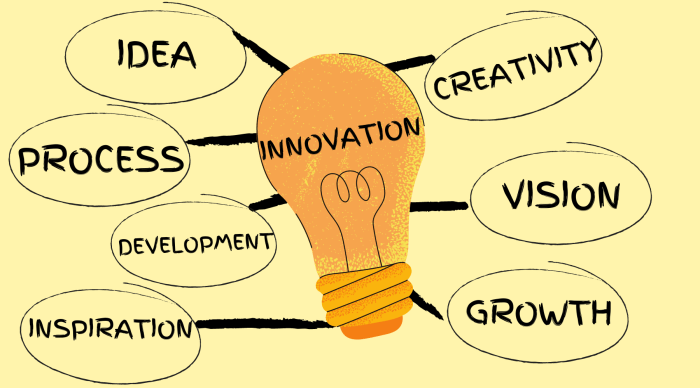
Launching a new product requires a well-defined marketing strategy to ensure its success. This involves more than just advertising; it’s about building anticipation, engaging the target audience, and effectively communicating the product’s value proposition. A successful launch hinges on a carefully orchestrated plan that integrates various marketing channels and leverages the power of storytelling.Effective marketing and communication strategies are crucial for a successful product launch.
These strategies should be tailored to the specific product, target audience, and market conditions. A holistic approach, incorporating multiple touchpoints, is generally more effective than relying on a single channel.
Successful Product Launch Campaigns and Their Key Elements
Several successful product launches demonstrate effective marketing strategies. Apple’s iPhone launch, for instance, masterfully utilized a combination of controlled leaks, media hype, and a meticulously planned event to generate immense anticipation. The focus was on showcasing the device’s intuitive design and user experience, rather than simply listing technical specifications. This approach resonated deeply with consumers, creating a demand that far exceeded initial supply.
In contrast, the launch of the Nintendo Wii leveraged a unique and innovative game controller, focusing on a fun and accessible gaming experience that differentiated it from its competitors. This strategic focus on a key differentiator and clever marketing emphasizing its unique selling proposition resulted in high sales and market share.
Building Anticipation and Creating a Buzz Before Launch
Building anticipation is a key component of a successful product launch. This can be achieved through various pre-launch activities, including teaser campaigns, social media engagement, influencer marketing, and exclusive early access programs. The goal is to create a sense of excitement and urgency around the product, making consumers eager to learn more and ultimately purchase it. For example, a company might release short videos showcasing intriguing aspects of the product, leaving key features undisclosed to pique consumer interest.
They could also engage influencers within the target market to generate positive word-of-mouth marketing, thereby amplifying the reach of the campaign. Another successful technique involves creating a dedicated landing page with countdown timers and email sign-ups to collect leads and maintain engagement. This creates a sense of exclusivity and encourages potential customers to actively participate in the anticipation leading up to the launch.
Measuring Success and Adapting to Market Feedback
Successfully launching a product innovation is only half the battle. Sustained success hinges on rigorously monitoring performance, understanding user behavior, and adapting the product to meet evolving market demands. This involves a multifaceted approach encompassing data collection, analysis, and iterative improvements based on concrete feedback.Post-launch, a continuous feedback loop is crucial. This ensures the product remains relevant, competitive, and ultimately, profitable.
Effective measurement allows for proactive adjustments, maximizing return on investment and minimizing the risk of market failure. A combination of quantitative and qualitative data is needed to paint a complete picture of the product’s performance and reception.
Key Metrics for Product Innovation Success
Measuring the success of a product innovation requires a balanced approach, utilizing both quantitative and qualitative data. Quantitative metrics provide objective, measurable results, while qualitative data offers valuable insights into user experiences and perceptions. Together, these metrics provide a comprehensive understanding of product performance and market reception.
- Sales figures: Tracking unit sales, revenue generated, and sales growth rates provides a clear indication of market demand and overall product success. For example, a consistent increase in sales over several quarters demonstrates strong market acceptance.
- Customer acquisition cost (CAC): This metric assesses the efficiency of marketing and sales efforts by measuring the cost of acquiring a new customer. A low CAC indicates effective marketing strategies and high conversion rates.
- Customer lifetime value (CLTV): This metric predicts the total revenue a customer will generate throughout their relationship with the company. A high CLTV signifies customer loyalty and a successful product-market fit.
- User engagement metrics: Metrics such as daily/monthly active users (DAU/MAU), session duration, and feature usage provide insights into user behavior and product stickiness. For instance, high DAU/MAU ratios and long session durations suggest a highly engaging product.
- Customer satisfaction (CSAT) scores: Surveys and feedback forms allow for direct measurement of customer satisfaction. High CSAT scores indicate positive user experiences and strong product-market fit.
- Net Promoter Score (NPS): This metric gauges customer loyalty and willingness to recommend the product to others. A high NPS indicates strong brand advocacy and customer satisfaction.
Collecting and Analyzing Post-Launch Data
Effective data collection is critical for informed decision-making. This involves employing a variety of methods to gather both quantitative and qualitative data.
- Website analytics: Tools like Google Analytics provide detailed information on website traffic, user behavior, and conversion rates. This data helps identify areas of strength and weakness in the product’s online presence.
- App analytics: Similar tools exist for mobile applications, providing insights into user engagement, feature usage, and crash reports. This allows developers to identify and address technical issues and improve the user experience.
- Customer surveys and feedback forms: Directly soliciting feedback from users provides valuable qualitative data on product satisfaction, usability, and areas for improvement. Open-ended questions allow for richer, more nuanced insights.
- Social media monitoring: Tracking mentions of the product on social media platforms can reveal customer sentiment and identify potential issues or areas for improvement. This allows for proactive responses to concerns and opportunities for engagement.
- Customer support interactions: Analyzing customer support tickets and calls provides insights into common issues and user frustrations. This data can be used to prioritize bug fixes, improve product features, and enhance customer service.
Adapting and Iterating Based on Market Feedback
Analyzing collected data informs iterative product development. Continuous adaptation ensures the product remains relevant and competitive. Several methods can be used to incorporate feedback and improve the product.
- Agile development: This iterative approach emphasizes flexibility and rapid response to changing market conditions and user feedback. Regular releases of updated features allow for continuous improvement.
- A/B testing: This method allows for comparing different versions of a product or feature to determine which performs better. This data-driven approach ensures improvements are based on empirical evidence.
- Minimum Viable Product (MVP) approach: Launching a basic version of the product with core features allows for early user feedback and iterative development. This minimizes development costs and risk while maximizing learning.
- User testing and usability studies: Observing users interacting with the product provides valuable insights into usability issues and areas for improvement. This ensures the product is intuitive and easy to use.
- Prioritization matrix: Using a matrix to rank features based on impact and effort allows for focused development efforts. This ensures resources are allocated to the most impactful improvements.
Ultimately, successful product innovation hinges on a deep understanding of customer needs, a commitment to iterative development, and a robust marketing strategy. By carefully considering each stage of the process, from initial concept to ongoing market feedback analysis, businesses can significantly increase their chances of creating a product that not only meets but exceeds market expectations, establishing a strong and lasting presence.
FAQ Summary
What is the most common reason for product failure?
Ignoring market research and failing to adequately understand customer needs is a leading cause of product failure.
How can I measure the success of a product innovation?
Key metrics include sales figures, customer satisfaction scores, market share, and return on investment (ROI).
What is the importance of a Minimum Viable Product (MVP)?
An MVP allows for early testing and feedback, reducing development costs and risks associated with launching a fully-featured product prematurely.
How important is post-launch feedback?
Post-launch feedback is crucial for identifying areas for improvement, adapting to market changes, and ensuring long-term product success. It informs iterative development and future product strategy.