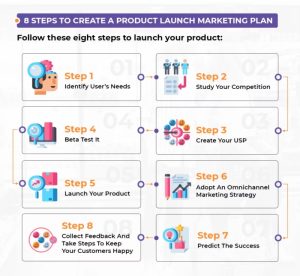
Launching a new product requires a strategic approach, and influencer marketing has emerged as a powerful tool to amplify reach and generate excitement. This exploration delves into the multifaceted world of leveraging influencers to successfully introduce a product to the market, examining everything from identifying the right partners to measuring campaign effectiveness and navigating the ethical considerations.
We’ll dissect the various types of influencers, from macro to micro and nano, and explore how their unique audiences can contribute to a successful launch. We’ll also cover crafting compelling content tailored to specific platforms, optimizing budget allocation, and analyzing key performance indicators (KPIs) to gauge the overall success of your campaign. The ultimate goal is to equip you with the knowledge to build a robust and impactful influencer marketing strategy for your next product launch.
Defining Influencer Marketing for Product Launches
Influencer marketing, in the context of a new product launch, leverages the credibility and reach of influential individuals to generate awareness, excitement, and ultimately, sales. It’s a powerful strategy that bypasses traditional advertising methods by connecting directly with target audiences through trusted voices. The core principle lies in aligning your product with influencers whose values and audience resonate with your brand, thereby fostering genuine engagement and driving conversions.The effectiveness of influencer marketing hinges on strategic selection and collaboration.
A well-planned campaign considers the influencer’s audience demographics, engagement rates, and alignment with the brand’s message. Successful campaigns often involve a multi-faceted approach, encompassing social media posts, stories, live streams, and even longer-form content like blog posts or YouTube videos.
Types of Influencers and Their Suitability
Choosing the right influencer type is crucial for a successful product launch. Different influencer tiers – macro, micro, and nano – cater to varying campaign goals and budgets. Macro-influencers boast millions of followers, offering extensive reach but potentially lower engagement rates and higher costs. Micro-influencers, with tens of thousands of followers, often demonstrate higher engagement and stronger audience loyalty, making them ideal for niche products or building brand trust.
Nano-influencers, possessing a few thousand followers, provide highly targeted reach and a sense of authenticity, perfect for generating genuine word-of-mouth marketing. The choice depends on the product, budget, and desired outcome. A luxury car launch might utilize macro-influencers for broad awareness, while a handcrafted jewelry line could leverage micro-influencers for targeted engagement and brand storytelling.
Examples of Successful Influencer Marketing Campaigns
Several successful product launch campaigns showcase the power of influencer marketing across diverse sectors. For instance, Glossier, a beauty brand, built its initial success largely on influencer collaborations, using micro and nano-influencers to create a sense of community and authenticity around its products. Their strategy focused on genuine reviews and user-generated content, fostering trust among their target demographic.
In the tech industry, a new smartphone launch might involve collaborations with tech reviewers and gadget enthusiasts on YouTube and other platforms, leveraging their expertise and established audience to showcase the product’s features and capabilities. Similarly, a clothing brand might partner with fashion bloggers and stylists on Instagram and TikTok to demonstrate the versatility and style of their new clothing line, generating visually appealing content that resonates with their target audience.
These examples highlight the versatility of influencer marketing, adapting to different industries and product types.
Identifying Target Influencers
Successfully launching a new product hinges on connecting with the right audience. Influencer marketing offers a powerful avenue to achieve this, but only if you identify and partner with influencers whose followers genuinely align with your target market. A well-defined strategy is crucial for maximizing your return on investment and avoiding wasted resources.This section Artikels a strategic approach to identifying and collaborating with influencers whose audience demographics, interests, and engagement patterns closely match your product’s ideal customer profile.
We’ll explore criteria beyond simple follower count, providing a framework for selecting influencers who can authentically represent your brand and resonate with potential buyers.
Influencer Selection Strategy
A robust influencer selection strategy involves a multi-stage process. First, thoroughly define your ideal customer profile (ICP). Consider demographics (age, location, gender, income), psychographics (lifestyle, values, interests), and online behavior (social media platforms used, content preferences). This detailed ICP will serve as the foundation for your influencer search. Next, utilize influencer marketing platforms and social media analytics tools to identify influencers whose audience demographics and engagement patterns closely mirror your ICP.
Focus on influencers who demonstrate genuine engagement with their audience, rather than just a high follower count. Finally, analyze the content of potential influencers to ensure their brand aligns with yours and that their audience would be receptive to your product. This involves examining their past collaborations and assessing the overall tone and style of their content.
Influencer Selection Criteria
Beyond follower count, several critical factors should guide your influencer selection. A simple high follower count doesn’t guarantee engagement or relevance. Consider the following checklist:
- Audience Alignment: Does the influencer’s audience closely match your target market’s demographics and psychographics? Analyze their follower demographics provided by the platform or through third-party tools.
- Engagement Rate: High follower count is meaningless without high engagement. Calculate the influencer’s engagement rate (likes, comments, shares relative to followers) to gauge audience interaction.
- Authenticity and Brand Alignment: Does the influencer’s content and brand personality align with your product and brand values? Avoid influencers who seem inauthentic or whose values clash with yours.
- Content Quality: Assess the quality of the influencer’s content. High-quality visuals, well-written captions, and consistent posting schedule are positive indicators.
- Past Collaborations: Review the influencer’s previous collaborations to understand their approach and the results they’ve achieved for other brands.
- Transparency and Disclosure: Ensure the influencer adheres to FTC guidelines regarding disclosure of sponsored content.
Methods for Reaching Out and Collaborating
Reaching out to influencers requires a professional and personalized approach. Avoid generic, templated messages. Instead, tailor your outreach to each influencer, highlighting why you believe they’re a good fit for your campaign.
- Personalized Outreach: Mention specific posts or aspects of their content that resonate with your brand and target audience. Show you’ve done your research.
- Clear and Concise Proposal: Present a clear and concise proposal outlining your campaign goals, the influencer’s role, and the compensation or other benefits offered. Be upfront about your expectations and deliverables.
- Multiple Communication Channels: Consider using a combination of direct messages, email, and even a phone call (if appropriate) to connect with the influencer.
- Negotiation and Contract: Be prepared to negotiate terms and sign a formal contract to protect both parties’ interests. This contract should clearly Artikel deliverables, payment schedule, and intellectual property rights.
Campaign Strategy & Content Creation
A successful influencer marketing campaign requires a well-defined strategy and meticulously planned content. This involves selecting the right influencers, crafting engaging content tailored to their audience, and establishing clear metrics to measure the campaign’s effectiveness. A detailed timeline ensures all activities are coordinated for optimal impact during the product launch.A comprehensive influencer marketing campaign plan should detail the target audience, influencer selection criteria, content calendar, budget allocation, and performance measurement.
This plan acts as a roadmap, guiding the campaign from inception to completion and facilitating efficient resource management. Crucially, it Artikels how the campaign aligns with overall marketing objectives for the product launch.
Campaign Timeline and Key Performance Indicators (KPIs)
A typical influencer marketing campaign timeline for a product launch spans several weeks or months, depending on the product complexity and marketing goals. It begins with influencer identification and selection, followed by contract negotiation and content creation. Content distribution and engagement monitoring are crucial mid-campaign phases. Finally, post-campaign analysis evaluates the campaign’s success against predefined KPIs. A sample timeline might include: Weeks 1-2: Influencer research and selection; Week 3-4: Contract negotiation and content planning; Week 5-6: Content creation and review; Week 7-8: Content distribution and engagement monitoring; Week 9-10: Post-campaign analysis and reporting.Key Performance Indicators (KPIs) measure campaign success.
These include reach (total number of unique users exposed to the campaign), engagement (likes, comments, shares), website traffic (clicks from influencer content to the product website), conversions (sales or leads generated), and brand mentions (instances where the brand is discussed online). Setting realistic and measurable KPIs allows for accurate assessment of the campaign’s return on investment (ROI). For example, a successful campaign might achieve a 15% increase in website traffic, a 10% conversion rate, and 5000 brand mentions across social media platforms.
Content Formats for Influencer Marketing
Different content formats cater to various platforms and audience preferences. Instagram Reels, short-form videos, are ideal for showcasing product features in a visually appealing and engaging way. YouTube videos offer longer-form content for in-depth product demonstrations and reviews. Blog posts provide detailed information, product comparisons, and testimonials, which are effective for driving website traffic and generating leads. The choice of format depends on the platform, the influencer’s style, and the product’s characteristics.
For instance, a high-tech gadget might benefit from a YouTube product demo, while a beauty product might be best showcased through Instagram Reels or TikTok videos.
Comparison of Content Formats Across Platforms
| Platform | Content Format | Pros | Cons |
|---|---|---|---|
| Reels, Stories, Carousel Posts | High engagement, visual appeal, short attention span friendly | Limited space for detailed information, algorithm changes can affect reach | |
| YouTube | Product demos, reviews, tutorials | In-depth explanations, longer engagement time, wider audience reach | Requires higher production quality, longer content creation time |
| TikTok | Short-form videos, challenges, trends | High viral potential, reaches a young audience, cost-effective | Requires understanding of current trends, algorithm changes impact reach |
| Blog | Product reviews, articles, listicles | Detailed information, benefits, drives website traffic | Requires strong writing skills, less immediate engagement than video |
Measuring Campaign Effectiveness
Measuring the success of an influencer marketing campaign for a product launch requires a strategic approach to data collection and analysis. Understanding key performance indicators (KPIs) and how to interpret the results is crucial for optimizing future campaigns and maximizing return on investment (ROI). A robust measurement strategy allows for a clear understanding of which influencers and content strategies are most effective, leading to more targeted and impactful campaigns.Key metrics provide quantifiable insights into the campaign’s performance across various stages.
Analyzing this data reveals areas needing improvement and optimization, ultimately shaping the future direction of influencer marketing efforts. This analytical process is vital for ensuring the campaign’s effectiveness and achieving its stated objectives.
Key Metrics for Influencer Marketing Campaigns
Several key metrics are essential for evaluating the success of an influencer marketing campaign. These metrics provide a comprehensive view of campaign performance, enabling informed decision-making and optimization. By tracking these indicators, brands can gain valuable insights into the effectiveness of their influencer partnerships and content strategies.
- Reach and Impressions: This measures the total number of unique users exposed to the campaign’s content. A high reach indicates broad exposure and successful influencer selection. Impressions represent the total number of times the content was displayed, even to the same user multiple times. For example, if an influencer’s post received 10,000 views, the impressions would be 10,000, assuming each view was a unique impression.
However, if a user saw the post twice, it would count as two impressions.
- Engagement Rate: This measures the level of audience interaction with the campaign’s content. High engagement suggests the content resonated with the target audience and effectively communicated the product’s value proposition. Engagement includes likes, comments, shares, and saves. A higher engagement rate indicates a more successful campaign. For instance, a post with 1000 likes and 50 comments on a post with 10,000 impressions has a 1.5% engagement rate.
- Website Clicks and Conversions: This metric tracks the number of clicks from the influencer’s content to the brand’s website and subsequent conversions (e.g., purchases, sign-ups). This directly measures the campaign’s impact on sales and lead generation. Tracking unique click-through URLs (UTM parameters) allows precise attribution of website traffic and conversions to specific influencers and content pieces. A successful campaign would show a high number of website clicks and a significant conversion rate.
- Brand Mentions and Sentiment: Monitoring brand mentions across social media platforms provides insights into the overall sentiment towards the brand and product. Positive sentiment indicates successful brand building and positive perception. Negative sentiment requires immediate attention and potential damage control. Analyzing the sentiment around the brand mentions helps assess the campaign’s impact on brand reputation. For example, a campaign may achieve a 90% positive sentiment score, indicating overall positive perception.
Analyzing Campaign Data for Improvement
Analyzing campaign data involves a systematic review of the key metrics to identify areas for optimization and improvement. This process guides future campaign strategies and enhances the overall effectiveness of influencer marketing efforts. A thorough analysis allows for data-driven decision-making, leading to more successful campaigns.
Data analysis should focus on comparing the performance of different influencers, content formats, and platforms. Identifying top-performing influencers and content strategies helps to inform future partnerships and content creation. For example, if one influencer consistently outperforms others in terms of engagement and conversions, future campaigns should prioritize collaborations with similar influencers. Similarly, if a specific content format (e.g., video vs.
image) proves more effective, future campaigns should allocate more resources to that format.
Analyzing website traffic data can reveal which influencers drive the most qualified leads and conversions. This helps in optimizing budget allocation across different influencers. A detailed analysis of audience demographics and interests can further refine targeting for future campaigns. For example, if a particular influencer attracts a younger demographic that aligns with the product’s target market, it may be beneficial to prioritize collaborations with similar influencers.
Sample Campaign Report
This hypothetical report summarizes the results of an influencer marketing campaign for a new skincare product launch. The data illustrates how key metrics can be presented and analyzed to assess campaign effectiveness. Visual representations enhance understanding and facilitate decision-making.
Campaign Goal: Increase brand awareness and drive sales of new skincare product.
Campaign Duration: 4 weeks
Influencers: 5 beauty influencers with varying follower counts and engagement rates.
| Metric | Total Reach | Engagement Rate | Website Clicks | Conversions |
|---|---|---|---|---|
| Overall Campaign | 150,000 | 4% | 2,000 | 150 |
| Influencer A | 40,000 | 6% | 800 | 75 |
| Influencer B | 30,000 | 3% | 300 | 15 |
| Influencer C | 35,000 | 5% | 500 | 40 |
| Influencer D | 25,000 | 2% | 200 | 10 |
| Influencer E | 20,000 | 4% | 200 | 10 |
Visual Representation: A bar chart could visually represent the reach and engagement rate of each influencer, allowing for a quick comparison of their performance. A pie chart could illustrate the proportion of conversions attributed to each influencer. A line graph could track website clicks over the campaign duration. The charts would clearly show Influencer A’s superior performance and the need to further analyze why Influencers B and D underperformed.
The visual representation would help highlight key trends and insights.
Budget Allocation & ROI
Effective influencer marketing requires a carefully planned budget that aligns with campaign goals and provides a clear path to measuring success. A well-structured budget considers not only influencer fees but also the various costs associated with content creation, campaign management, and analysis. Ultimately, the aim is to maximize return on investment (ROI) by strategically allocating resources.A successful influencer marketing campaign necessitates a detailed budget breakdown.
This involves allocating funds to various crucial aspects to ensure a smooth and effective campaign execution.
Budget Allocation Strategy
A typical budget allocation might divide funds across several key areas. For instance, 50% could be dedicated to influencer fees, reflecting the core of the campaign. Another 30% could cover content creation costs, encompassing photography, videography, editing, and graphic design. The remaining 20% could be allocated to campaign management (including platform advertising and analytics tools) and contingency planning. The specific percentages will vary depending on the campaign’s scale, influencer tier, and content complexity.
A smaller campaign might prioritize influencer fees more heavily, while a larger, more complex campaign might require a larger portion for content creation and management.
Return on Investment (ROI) Calculation Methods
Calculating ROI for influencer marketing requires a clear understanding of both costs and revenue generated. A simple formula is:
ROI = (Revenue Generated – Campaign Costs) / Campaign Costs100%
. Revenue generated can be tracked through sales attributed to unique discount codes, tracked website clicks from influencer posts, or increases in brand awareness measured through social media engagement. Campaign costs encompass all expenses, including influencer fees, content production, management, and advertising. For example, if a campaign cost $10,000 and generated $25,000 in sales, the ROI would be 150%.
More sophisticated methods might involve attributing a monetary value to brand awareness metrics, such as reach and engagement.
Influencer Marketing Pricing Models and their Impact on ROI
Several pricing models exist, each impacting ROI differently.
Flat Fee Pricing
This model involves a fixed payment to the influencer regardless of performance. While straightforward, it can be less efficient if the influencer fails to deliver expected results. ROI is easily calculated but may be lower if engagement is poor.
Performance-Based Pricing
This model ties payment to specific, measurable outcomes, such as sales generated or website clicks. This approach incentivizes influencers to perform and directly links their compensation to campaign success. ROI is often higher as payment is only made for demonstrable results. However, accurately tracking these results can be complex.
Hybrid Pricing
This model combines elements of both flat fee and performance-based pricing. For example, an influencer might receive a base fee plus a bonus based on achieving specific performance targets. This approach balances the predictability of a flat fee with the performance incentives of a performance-based model. This can offer a good balance between risk and reward, potentially optimizing ROI.
Product Innovation & Product Launch Strategies
Product innovation is inextricably linked to the success of a product launch. A truly innovative product, offering unique value or solving a significant customer problem, naturally generates more excitement and demand, making the launch process considerably easier and more impactful. Conversely, a product launch lacking significant innovation may struggle to gain traction in a competitive market. Effective influencer marketing plays a crucial role in bridging this gap, amplifying the message of innovation and driving adoption.A successful product launch hinges on effectively communicating the product’s unique selling points (USPs) and demonstrating its value proposition to the target audience.
This requires a carefully crafted strategy that aligns influencer marketing efforts with the overall launch plan, ensuring a cohesive and impactful message across all channels. The synergy between product innovation and influencer marketing strategy is essential for maximizing the reach and effectiveness of the launch.
Highlighting Innovative Product Features Through Influencer Marketing
Influencer marketing provides a powerful platform to showcase innovative product features. Authentic endorsements from trusted voices can significantly boost credibility and consumer trust. For example, imagine a new smart home device with groundbreaking energy-saving technology. Partnering with home improvement influencers who already enjoy a strong following of environmentally conscious consumers allows for targeted demonstrations of the device’s energy efficiency features.
Videos showcasing the product’s ease of use and substantial energy savings, coupled with the influencer’s personal testimony, can create a powerful narrative that resonates with the target audience and drives sales. Another example might be a new athletic apparel line incorporating revolutionary fabric technology. Collaborating with fitness influencers who can demonstrate the fabric’s breathability and performance benefits during intense workouts would authentically highlight these key features, attracting a broader audience interested in athletic performance and high-quality apparel.
The key is selecting influencers whose values and audience align with the product’s innovation and target market.
Aligning Influencer Marketing with Overall Product Launch Strategies
Aligning influencer marketing strategies with the overall product launch plan is paramount. The influencer campaign should not exist in isolation but rather serve as a critical component of a broader marketing strategy. For instance, a pre-launch influencer campaign could focus on generating excitement and anticipation through exclusive sneak peeks and behind-the-scenes content. During the launch, influencers can participate in live streams, product reviews, and social media takeovers, maximizing reach and driving immediate sales.
Post-launch, influencer content can focus on building long-term brand loyalty through user-generated content campaigns and ongoing engagement. This integrated approach ensures a consistent brand message across all channels, maximizing the impact of the product launch and driving sustained growth. A cohesive strategy also allows for better tracking and measurement of campaign effectiveness, enabling data-driven optimization throughout the launch lifecycle.
Failing to align these strategies can lead to fragmented messaging, missed opportunities, and ultimately, a less successful product launch.
Legal and Ethical Considerations
Influencer marketing, while a powerful tool for product launches, presents significant legal and ethical challenges. Navigating these complexities is crucial for maintaining brand reputation and avoiding potential legal repercussions. Failure to comply with regulations and ethical standards can lead to hefty fines, damaged brand image, and loss of consumer trust. Transparency and adherence to guidelines are paramount.The primary concerns revolve around disclosure, advertising regulations, and the potential for misleading or deceptive practices.
Influencers must clearly and conspicuously disclose their relationships with brands, and brands must ensure their campaigns comply with relevant advertising standards. This includes avoiding practices that could manipulate or exploit consumers.
Transparency and Disclosure Best Practices
Effective disclosure is the cornerstone of ethical influencer marketing. Consumers have a right to know when they are viewing sponsored content, and failing to provide this information constitutes a breach of trust and potentially violates advertising regulations. Best practices include clearly stating the nature of the relationship between the influencer and the brand in all sponsored posts. This should be readily apparent, using clear language such as “#ad,” “#sponsored,” or similar unambiguous disclosures.
The placement of the disclosure should be prominent and easily visible, not hidden within a lengthy caption or small print. Different platforms may have specific guidelines regarding disclosure placement and wording, so it’s essential to stay updated on these platform-specific rules. For example, Instagram and TikTok both have specific guidelines on where and how sponsored content should be disclosed.
Compliance with Advertising Regulations
Various regulatory bodies govern advertising, and influencer marketing falls under their purview. These bodies, such as the Federal Trade Commission (FTC) in the United States or similar agencies in other countries, have specific rules regarding truthfulness, accuracy, and avoidance of deceptive practices in advertising. Influencers and brands must ensure that all claims made about a product are substantiated and accurate.
For example, an influencer cannot claim a product cures a disease unless they have credible scientific evidence to support that claim. Similarly, exaggerated or unsubstantiated claims of a product’s effectiveness are prohibited. Non-compliance can lead to investigations, fines, and legal action. Staying abreast of updates to advertising regulations and guidelines is essential for maintaining compliance.
Regularly reviewing the guidelines of relevant regulatory bodies and seeking legal counsel when necessary are vital steps in mitigating risk.
Avoiding Deceptive Practices and Misrepresentation
Beyond formal regulations, ethical considerations demand that influencer marketing campaigns avoid practices that could deceive or mislead consumers. This includes avoiding the use of fake followers or engagement, manipulating reviews, or presenting a biased or unrealistic portrayal of the product. Influencers should honestly represent their experiences with the product, acknowledging any limitations or drawbacks. Brands should ensure that the influencers they select align with their brand values and ethical standards.
Thorough due diligence on influencers before collaborating with them is crucial to prevent potential reputational damage associated with associating with an influencer who has engaged in deceptive practices in the past. This involves researching the influencer’s past campaigns and online presence to assess their authenticity and trustworthiness.
Case Studies
Analyzing successful and unsuccessful influencer marketing campaigns provides valuable insights into best practices and pitfalls to avoid. By examining contrasting approaches, we can identify key factors that contribute to campaign effectiveness and ultimately, return on investment. This analysis will focus on two distinct case studies, highlighting strategic differences and their impact on overall results.
Highly Successful Influencer Marketing Campaign: Glossier’s Community-Driven Approach
Glossier’s product launches frequently leverage a community-driven influencer marketing strategy. Instead of focusing solely on mega-influencers with millions of followers, Glossier cultivates relationships with micro- and nano-influencers who possess a highly engaged audience genuinely interested in beauty and skincare. These influencers are often existing customers, fostering authenticity and trust. Glossier provides them with products to review honestly and encourages them to share their personal experiences.
This approach generates user-generated content that feels organic and relatable, building brand credibility and driving sales. The campaign’s success stems from its focus on building genuine relationships with authentic influencers who resonate with the brand’s target demographic. This tactic fostered a sense of community around the brand, increasing engagement and brand loyalty. The campaign resulted in a significant increase in brand awareness, website traffic, and sales, exceeding projected targets.
Less Successful Influencer Marketing Campaign: A Misaligned Brand and Influencer Partnership
In contrast, a hypothetical campaign for a luxury watch brand partnering with a gaming influencer primarily known for their comedic content demonstrates a mismatch in brand identity and target audience. While the influencer had a large following, their audience’s interests and purchasing power did not align with the luxury watch brand’s target market. The resulting campaign lacked authenticity and failed to resonate with the intended audience.
The promotional content felt forced and incongruent with the influencer’s usual style, leading to low engagement and minimal sales conversions. The lack of strategic alignment between the brand, influencer, and target audience resulted in wasted resources and a poor return on investment. This highlights the importance of thorough audience research and careful influencer selection to ensure a cohesive and effective campaign.
The key takeaway is that a large follower count alone does not guarantee success; a genuine alignment of brand values, influencer persona, and target audience is crucial.
Successfully integrating influencer marketing into your product launch strategy can significantly boost brand awareness, drive sales, and establish a strong market presence. By carefully selecting influencers aligned with your target audience, crafting engaging content, and meticulously tracking key metrics, you can maximize the return on your investment. Remember, transparency and ethical considerations are paramount, ensuring a sustainable and positive impact on your brand reputation.
Ultimately, a well-executed influencer marketing campaign can be the key differentiator between a successful product launch and one that falls short of expectations.
Key Questions Answered
What is the ideal influencer-to-product fit?
The best influencer aligns with your brand values, target audience demographics, and product aesthetics. Consider their engagement rate, not just follower count.
How do I handle negative comments or reviews from influencers?
Respond professionally and empathetically, addressing concerns directly and transparently. A well-managed response can turn a negative experience into a positive one.
How long should an influencer marketing campaign run for a product launch?
Campaign duration depends on your budget and goals. A typical launch campaign might run for several weeks, with pre-launch teasers and post-launch follow-up.
What are some common mistakes to avoid in influencer marketing?
Common mistakes include failing to define clear goals, selecting irrelevant influencers, neglecting content quality, and not tracking key metrics.